








Outdoor and Military Compass Guide
Choosing a Compass for Hiking, Camping and Expeditions
An outdoor compass helps users maintain directional awareness when travelling with a map or navigating away from marked routes. When choosing a compass, consider how you will use it, how you prefer to read the direction and whether you need a compact design for carrying in a pocket, on a wrist or attached to your gear.
Lensatic, Sighting and Luminous Compass Designs
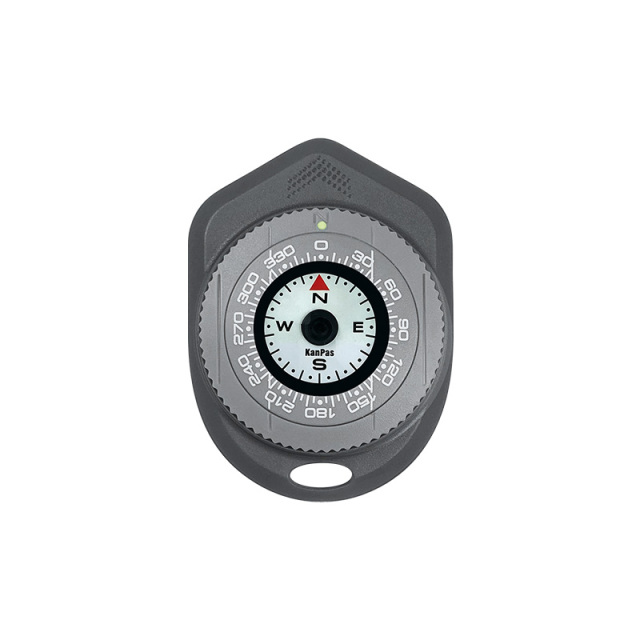
A lensatic or sighting compass supports directional reading through a sighting system. Luminous markings can improve dial visibility in low-light conditions after adequate light exposure, depending on the product design. Check each model's features and instructions to determine which functions suit your intended use.
Compact, Wrist and Ball Compasses for Portable Navigation
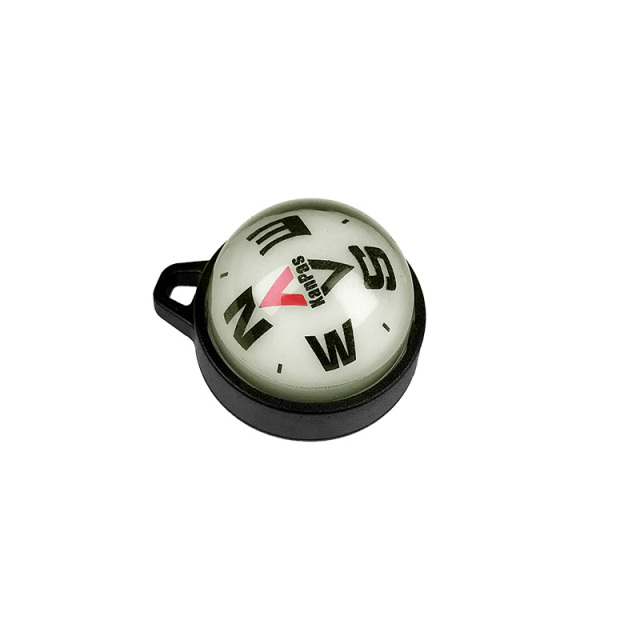
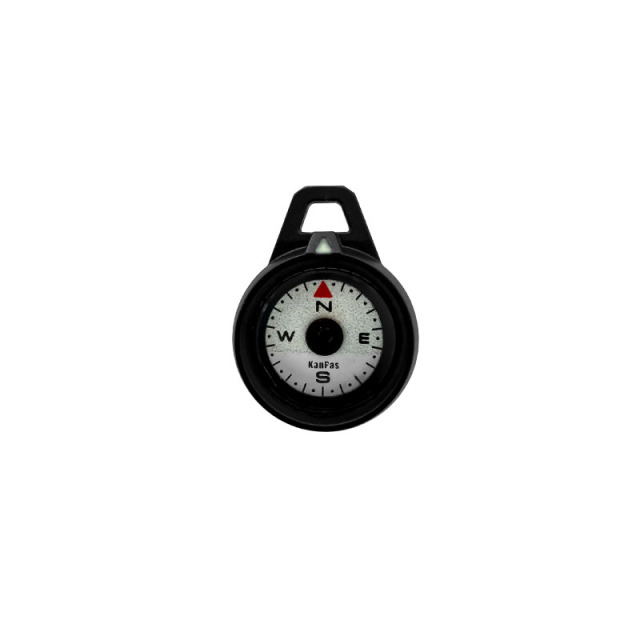
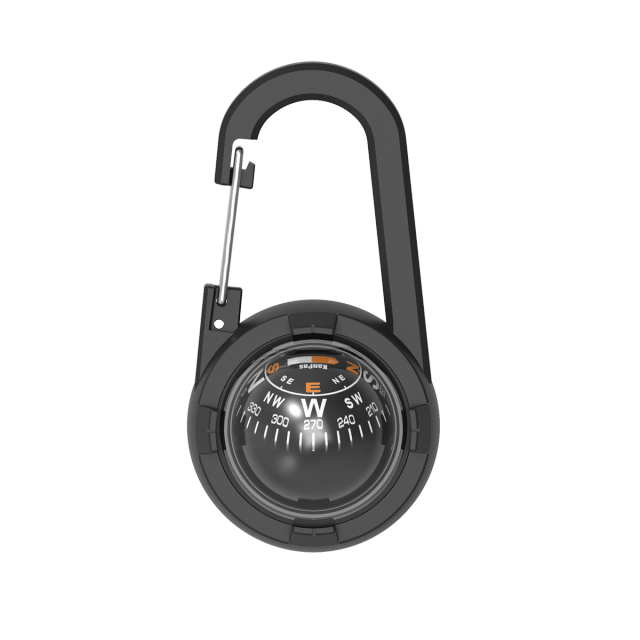
Compact compasses are useful when portability is a priority. Wrist-mounted models keep the compass readily accessible, while ball compasses offer an alternative reading format. Compare size, attachment method, dial layout and luminous options before choosing a model.
How to Choose the Right Outdoor Compass
Consider the Reading Method and Carrying Style
Choose a compass according to how you navigate. A sighting compass may suit users who need to take a bearing, while a compact or wrist compass may be more convenient for quick directional checks. Always review the product's operating instructions before use.
Check Magnetic Balance and Intended Operating Conditions
Magnetic compasses must be suitable for the magnetic region in which they will be used. Check the specified hemisphere or magnetic-zone compatibility, where applicable, as well as the product's operating conditions. Keep the compass away from sources of magnetic interference when taking a bearing.


