Introduction
In the world of Everyday Carry (EDC), space is a premium. You carry a knife, a flashlight, and maybe a multi-tool. But what about navigation?
Most people assume their smartphone is enough—until the battery dies, the screen cracks, or the signal drops. That is when a backup EDC compass becomes a lifeline.
However, there is a problem. The market is flooded with cheap, "gumball machine" quality button compasses that stick, develop bubbles, or point south. At Kanpas, we believe a backup tool should be just as reliable as your primary gear.
In this guide, we’ll explore why most keychain compasses fail, the engineering behind professional-grade micro navigation tools, and how to integrate them into your daily carry setup.
The "Bubble" Problem: Why Most Button Compasses Fail
If you have ever bought a cheap survival kit, you’ve likely seen a tiny compass that refuses to point North. Why does this happen?
-
Weak Magnetism: Cheap models use low-grade ferrite magnets that are easily affected by nearby metal (like your keys).
-
Poor Sealing: Micro-cracks allow fluid to escape, creating those annoying air bubbles that block the needle.
-
Friction: Without a quality pivot system, the needle drags against the casing, making it impossible to get an accurate reading.
The Kanpas Solution: We treat our mini compasses (like the A-18 series) with the same engineering rigor as our elite orienteering models. We use high-viscosity damping fluid and hardened pivots to ensure the needle swings freely and settles quickly.
3 Ways to Integrate a Compass into Your EDC
You don't need to carry a full-sized baseplate compass to stay safe. Here are the three most effective ways to carry a micro compass:
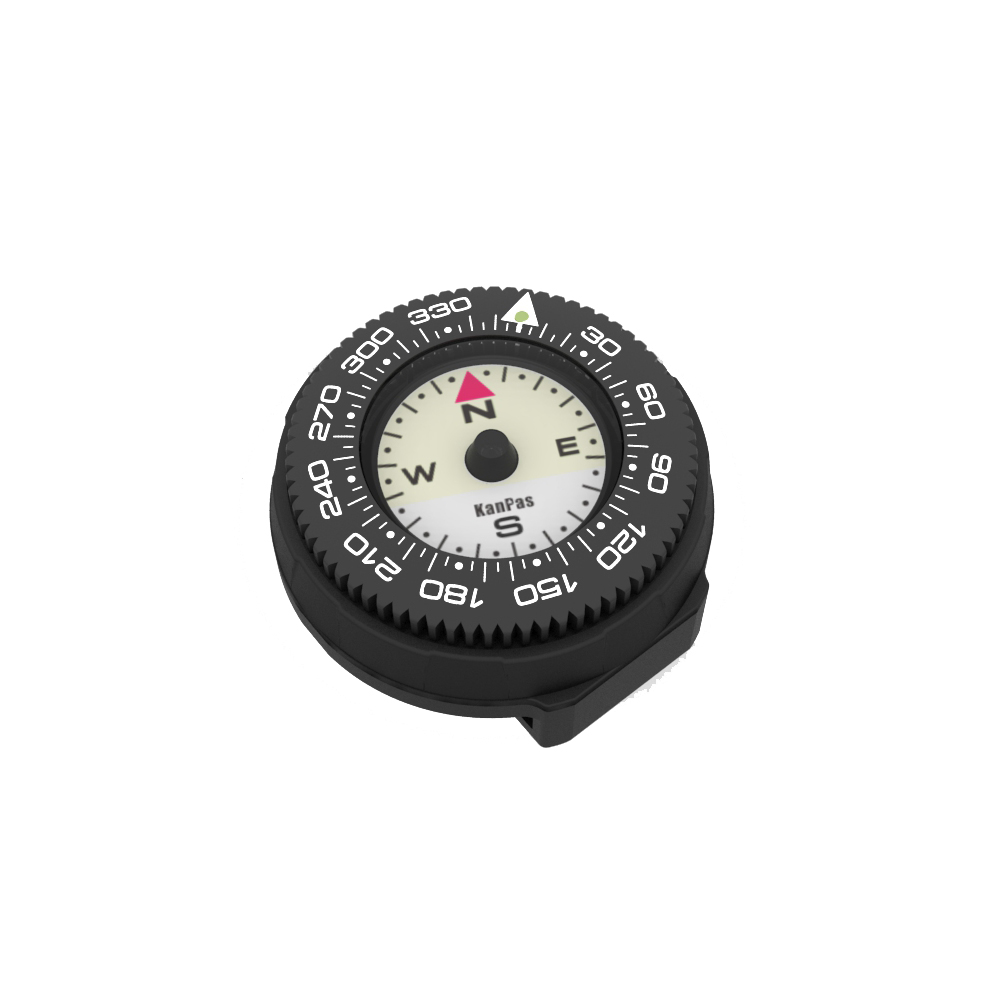
1. The "Slip-On" Watch Band Compass
This is the ultimate "set it and forget it" method. A slip-on compass attaches directly to your watch strap (compatible with Garmin, G-Shock, or analog watches).
-
Pro Tip: Choose a model with a silicone housing rather than hard plastic. It grips the strap better and absorbs shock if you drop your watch.
-
Best for: Hikers, runners, and divers.
2. The Keychain / Zipper Pull
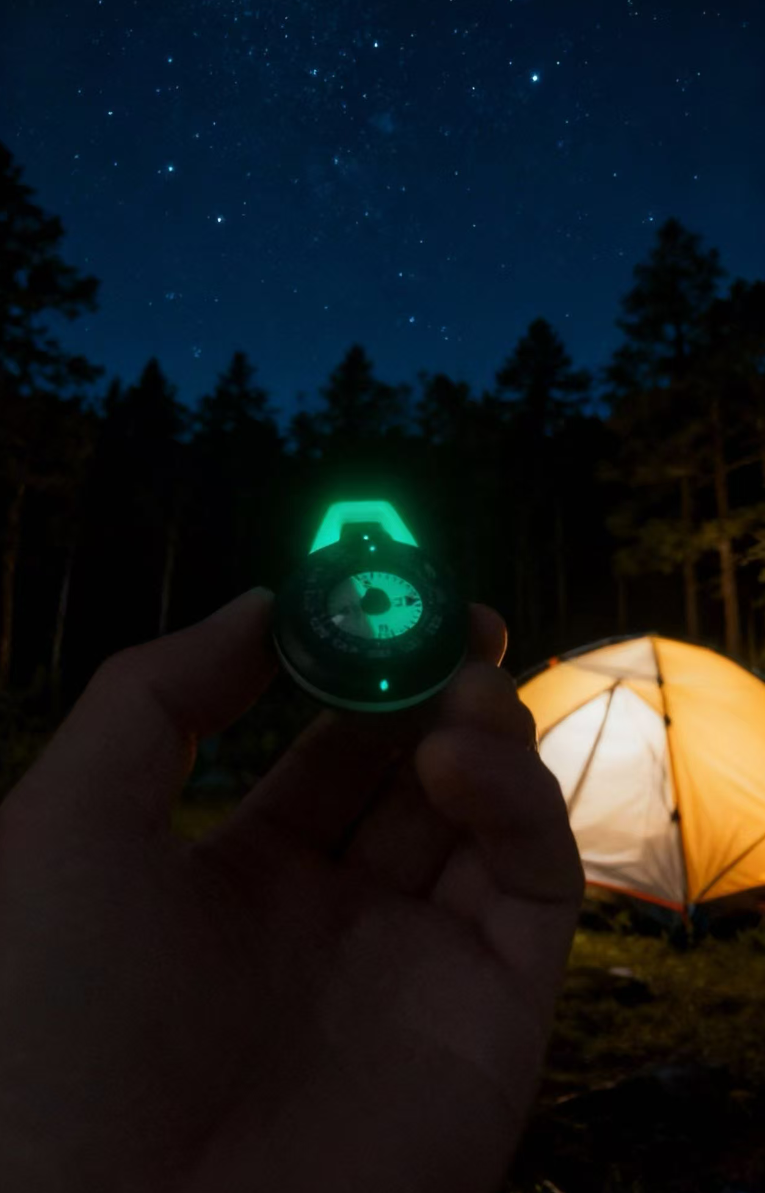
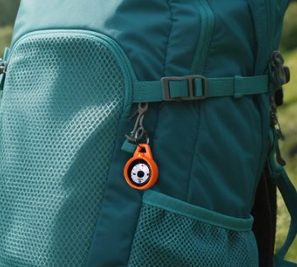
Attaching a robust keychain compass to your car keys or the zipper of your hiking jacket ensures you always have direction.
3. The Survival Tin (Altoids Tin) Kit
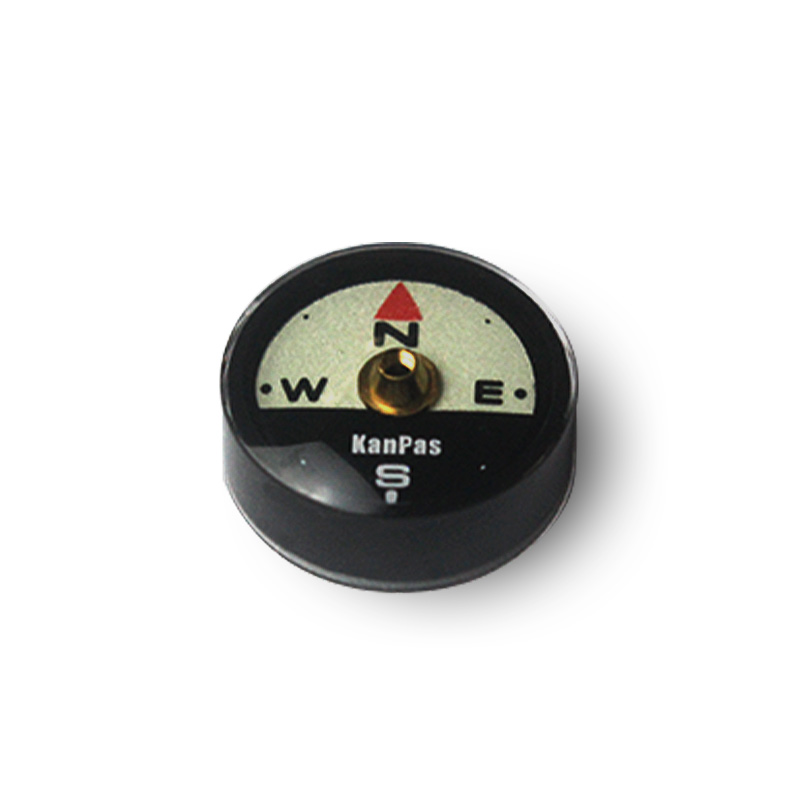
For the minimalists building a pocket survival tin, a naked button compass is essential. It takes up zero space but provides critical orientation.
Technical Deep Dive: What Makes a Kanpas EDC Compass Different?
We don't just assemble parts; we manufacture precision instruments. Here is the tech inside a 15mm Kanpas compass:
-
Acrylic Quality: We use high-transparency, impact-resistant acrylic that resists yellowing over time.
-
Fluid Dynamics: Our damping fluid is formulated to resist freezing, ensuring your compass works in winter conditions where batteries fail.
-
Quality Control: Every single batch undergoes a vibration test and a thermal shock test. If it develops a bubble in the lab, it doesn't leave the factory.
Expert Note: No button compass is designed for +/-3-degree precision mapping. Their purpose is "General Direction" (Cardinal Points: N, S, E, W) to keep you moving in the right direction towards safety.
How to Use a Micro Compass (Without a Map)
Scenario: You are lost on a trail, and the sun is setting.
-
Hold it Flat: Place the compass in your palm or on a flat non-metallic surface.
-
Isolate: Move it away from your belt buckle, knife, or phone to avoid magnetic interference.
-
Find North: Let the needle settle. Identify North.
-
Pick a Landmark: If you know safety is to the West, turn until the "W" is in front of you, pick a tree or rock in that line, and walk towards it. Repeat.
Conclusion: Small Gear, Big Peace of Mind
An EDC compass is the definition of "better to have it and not need it, than need it and not have it." But that quote only applies if the gear works.
Don't trust your safety to a toy. Upgrade your carry with a compass engineered for survival.
[Explore the Kanpas EDC Collection] – From watch clips to tactical keychain compasses.


